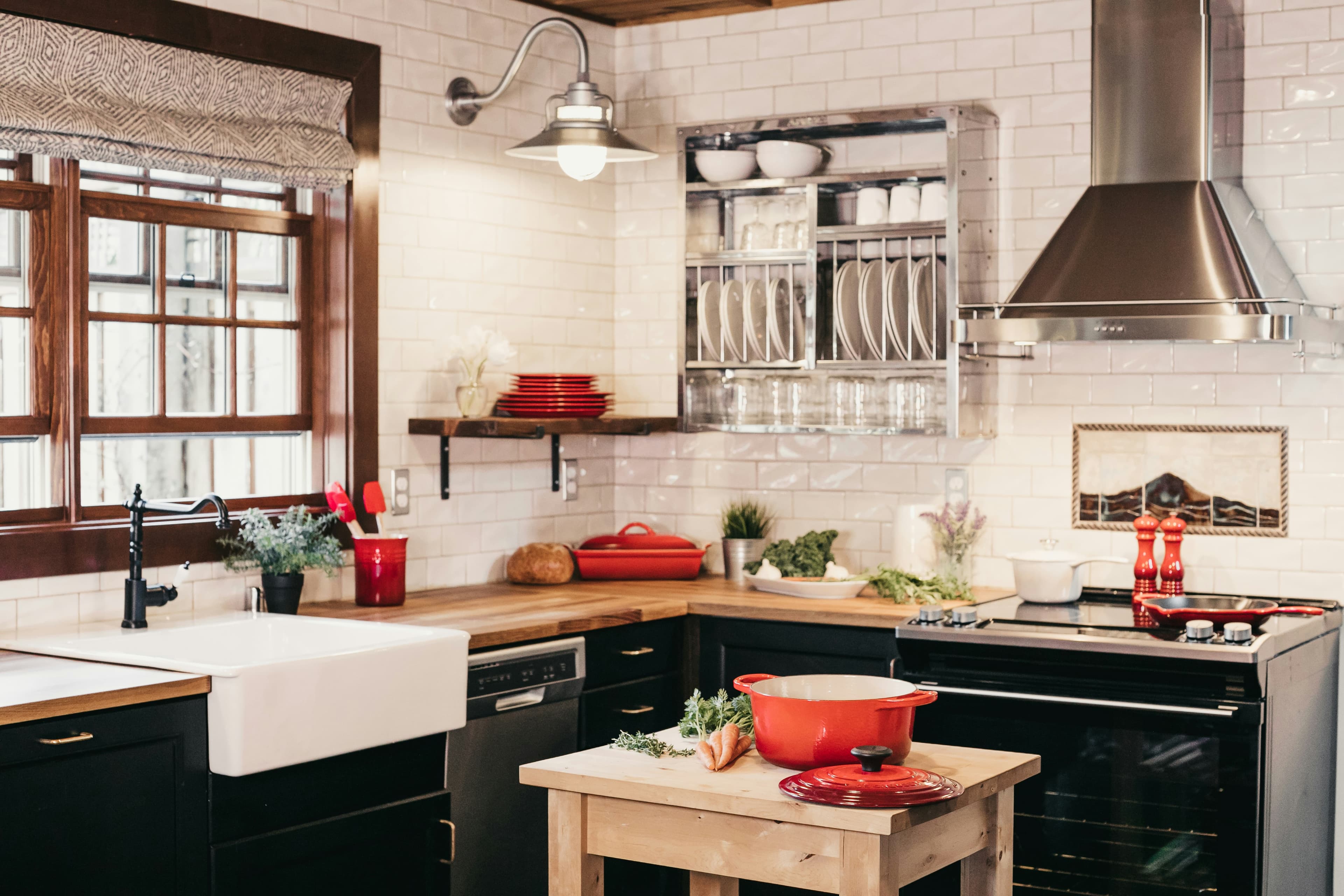
A quiet room is not an empty room. An empty room is loud with its own emptiness — the walls are audible, the bare floor reflects, the absence of objects draws attention to itself. A quiet room is one in which everything has been placed deliberately, and nothing is asking for attention.
This is the difference between minimalism and quiet. Minimalism removes. Quiet places — and then stops placing. The question it answers is not 'what can be removed' but 'what needs to be here for this room to be what it is.'
Three principles of a quiet room
First: one material dominates. Wood, or stone, or linen — not all three. The room takes its character from a single material, and everything else either supports or recedes. Second: light comes from one source, and its direction is considered. Overhead light is rarely quiet. A single lamp at the height of a seated person usually is. Third: there is one object in the room that is not functional. Not decorative, exactly — not placed to be looked at — but present without a use. That object is what makes the room feel inhabited.
Quiet is not a style. It is a decision made once, and then held.
The atmosphere of a quiet room is something you feel before you understand it. You enter and something releases. The room is not asking anything of you. This is the effect LIMEN is designed to contribute to — not as decoration, but as one considered element among others. The fragrance is placed the way the object is placed: present, purposeful, and not insisting.
STILL is the fragrance most directly built for this context. Iris and paper, soft woods, musk that barely registers. It is the scent of a room that has been prepared and is now simply waiting.