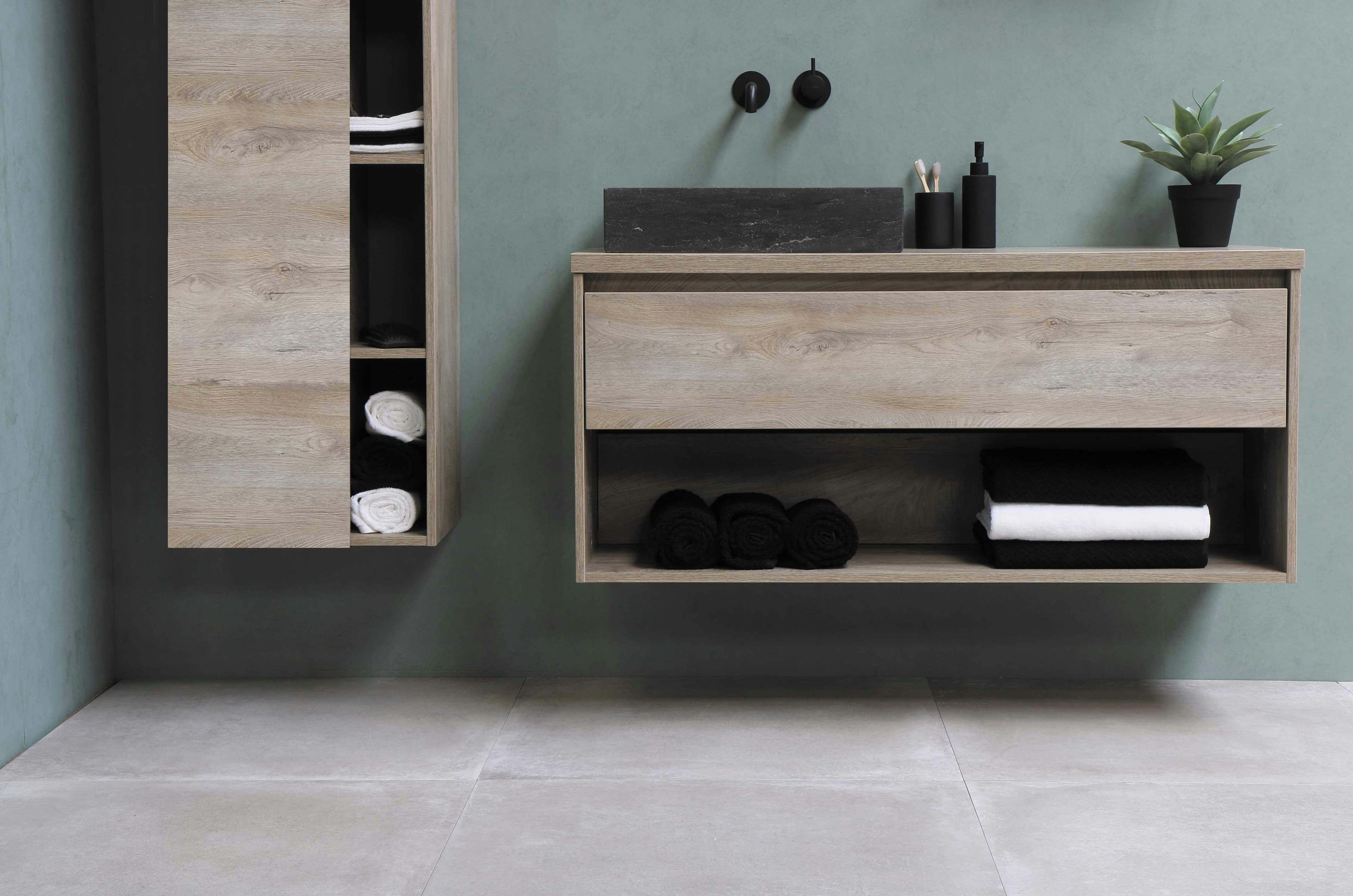
Architecture organises space. Fragrance organises atmosphere. Both are systems of boundaries — one visible, one felt. Neither is decoration, though both are often treated as such.
An architect decides where a wall goes, and the wall changes how a body moves through a room. A perfumer decides where a note sits — top, heart, or base — and the note changes how a body feels within the same room. The physical dimensions stay constant. The experience of being there does not.
A fragrance is not a scent for the room. It is the room's atmosphere made legible.
The olfactory bias
We tend to think of smell as a reactive sense — we notice it when something is wrong, or occasionally when something is particularly right. The neutral case is considered unscented: a room that has no smell is, we assume, a room in its natural state.
This is not accurate. Every room has a smell. Plaster and timber and textile and air circulation all produce olfactory information that registers below conscious attention. The smell we call 'neutral' is not the absence of smell. It is the smell of the room's materials at room temperature, simply not calling attention to itself.
What a fragrance does — used deliberately — is give the room a more specific atmosphere. It creates coherence between the air and the experience of being in it. The room stops smelling of what it is made from and starts smelling of what it is for.
Choosing by room, not by preference
This is why LIMEN is organised by place and moment rather than by note or family. CONCRETE belongs in a study or a studio — a working room that should feel precise and modern. SUNDAY belongs in a bedroom or a reading chair — a room that should feel unhurried. The fragrance follows the function of the space.
This is also why we built the quiz. Not to help you find a scent you will enjoy, but to help you find the atmosphere you want to inhabit — and then work backwards to the fragrance that produces it.